BEN MAPP II
Building Effective Network Multiannual Programmes Plan – Phase II
A 5‑year project supported by Cheshire Disability Services Kenya, implemented across all five domains of Community Based Rehabilitation (CBR) – Health, Education, Livelihood, Social Inclusion, and Empowerment.
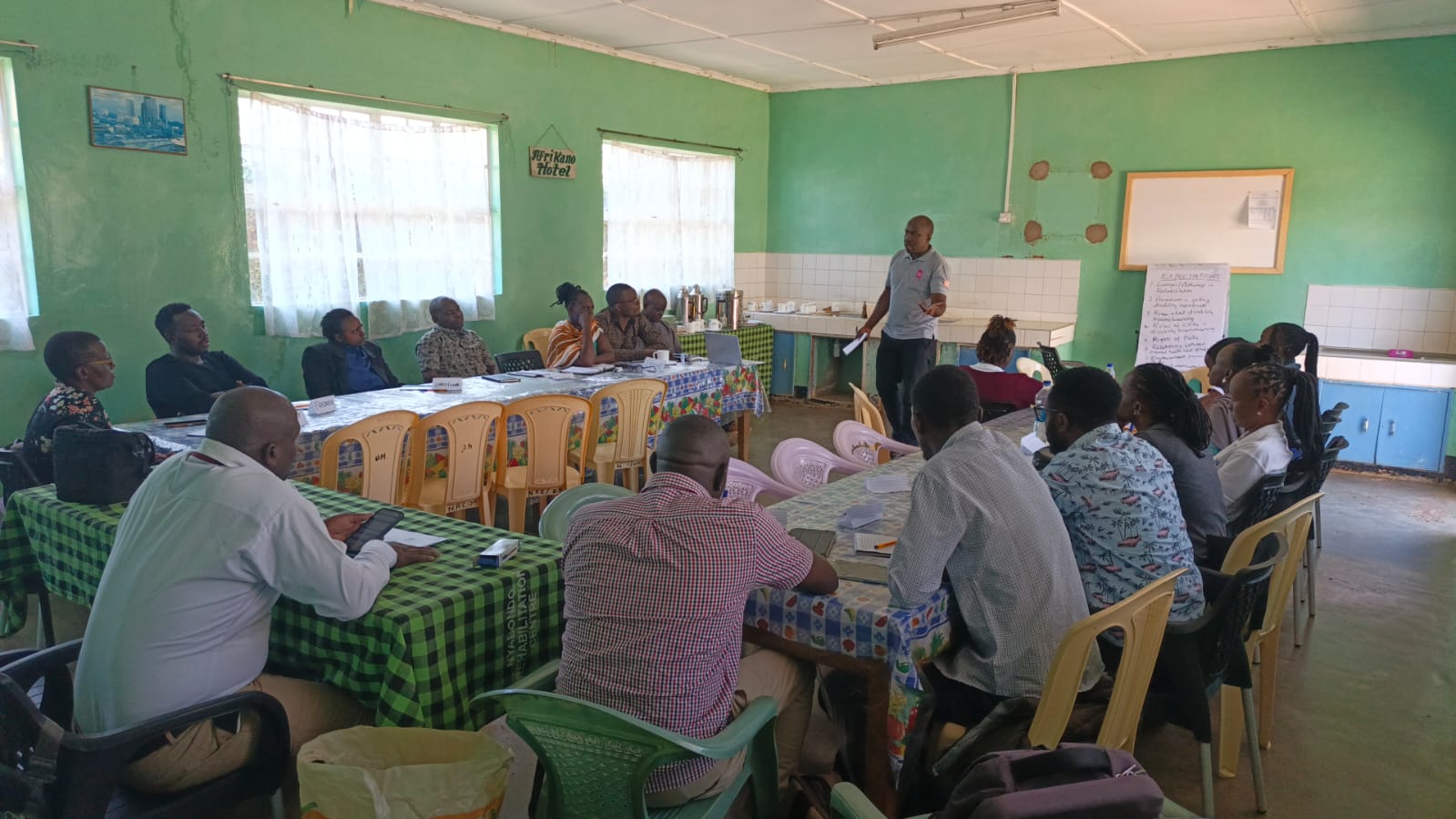
BEN MAPP II Gallery
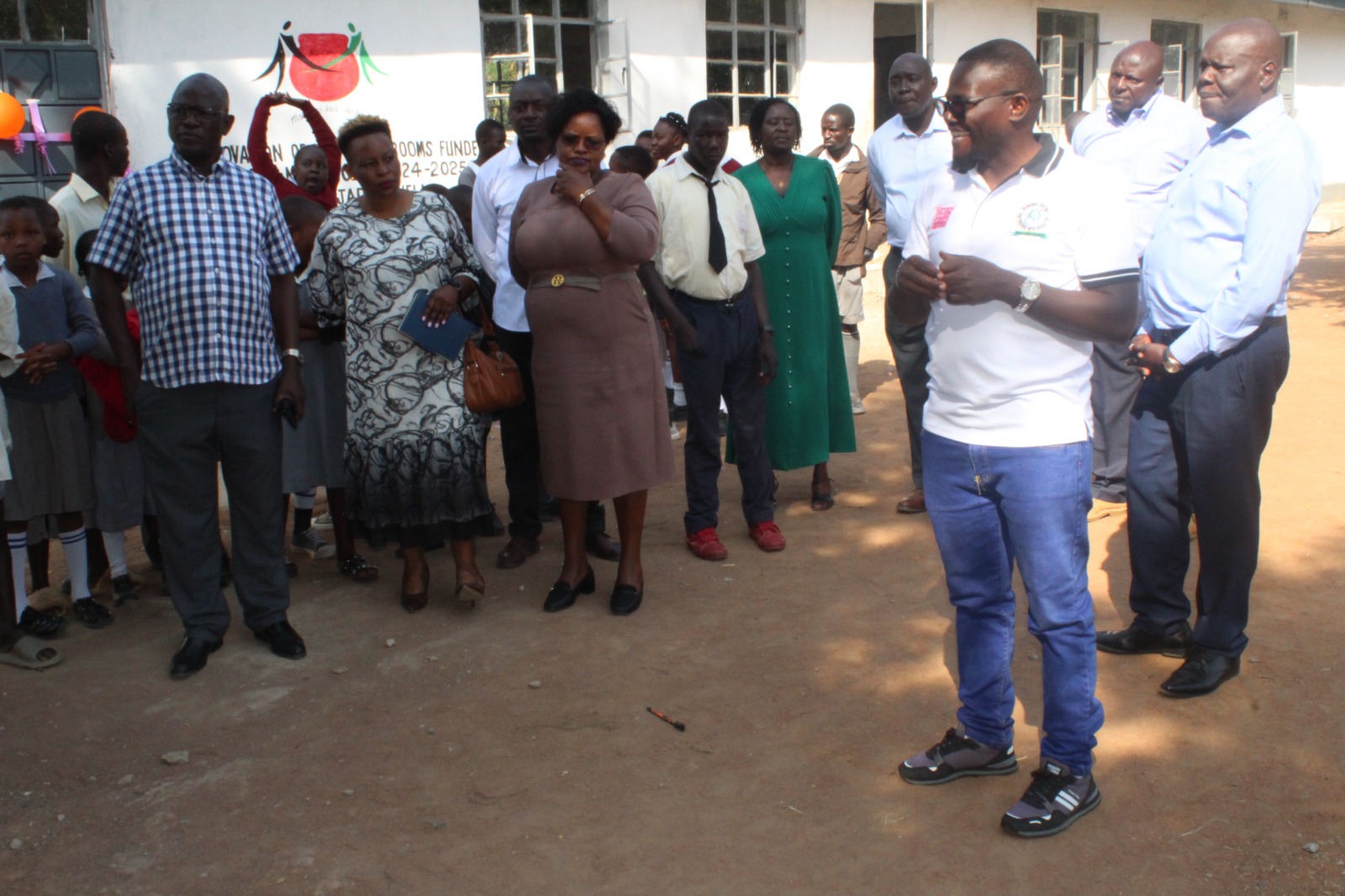
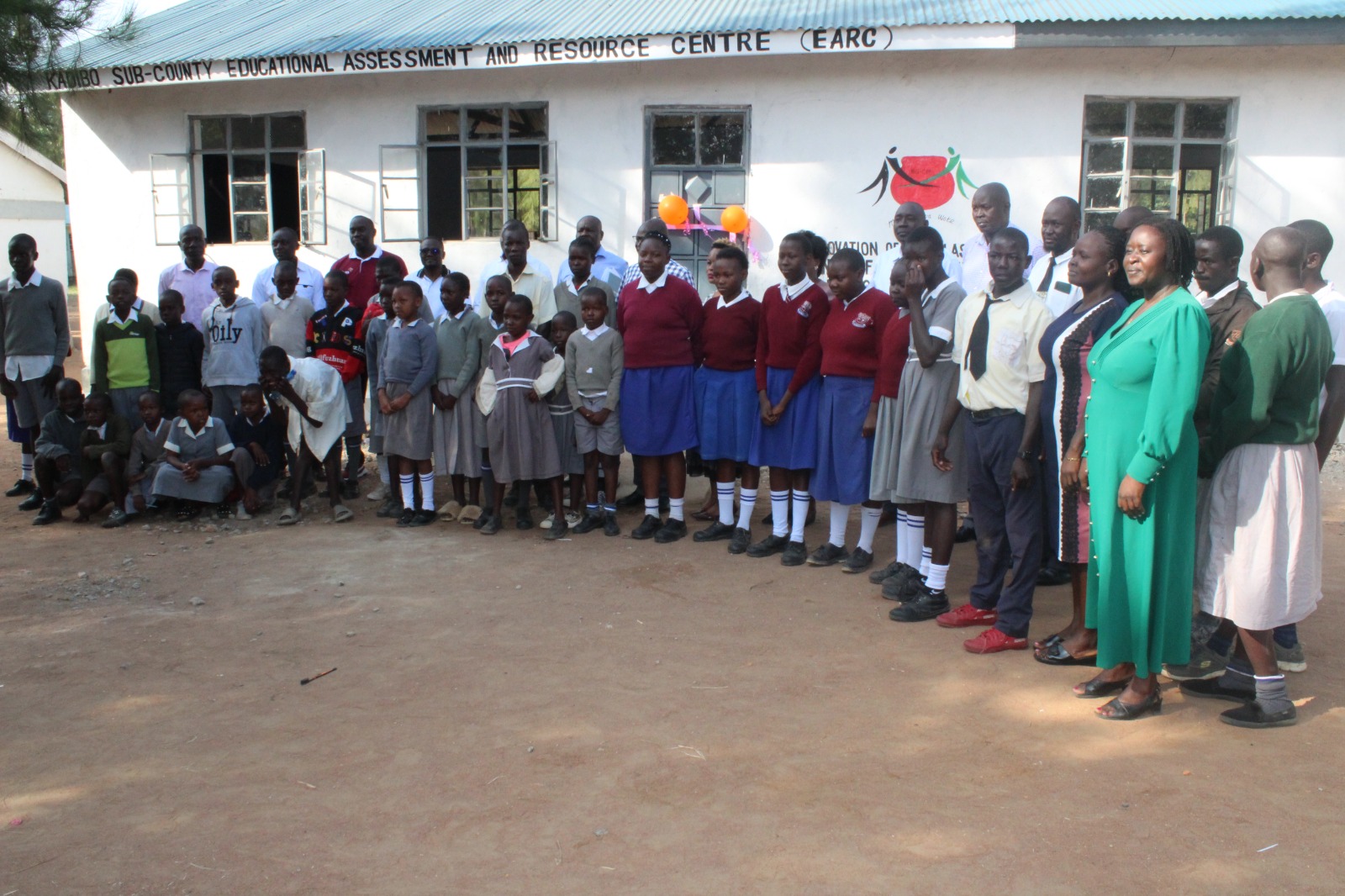
See the programme in action across communities in Kisumu and Homa Bay Counties.
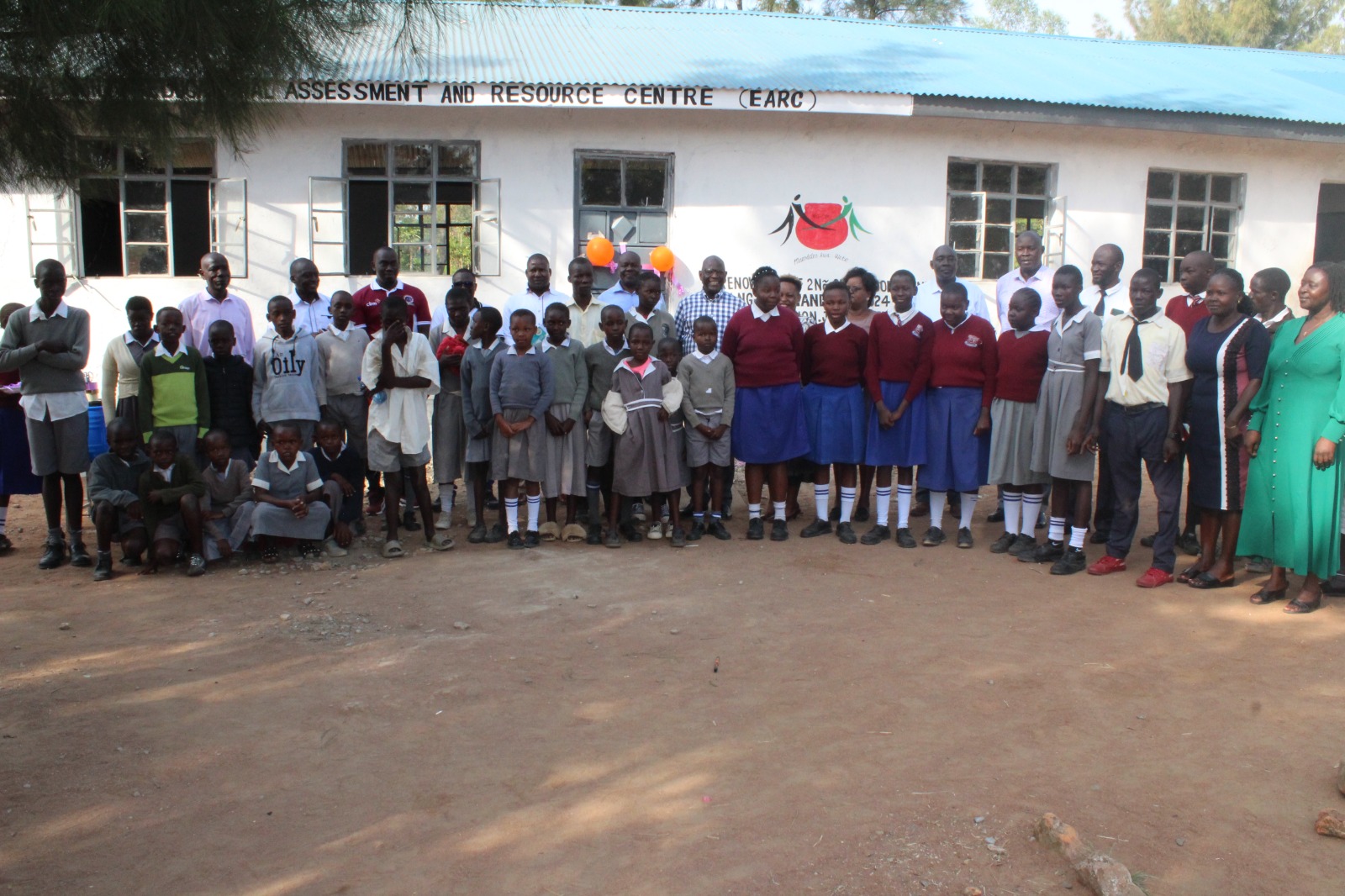
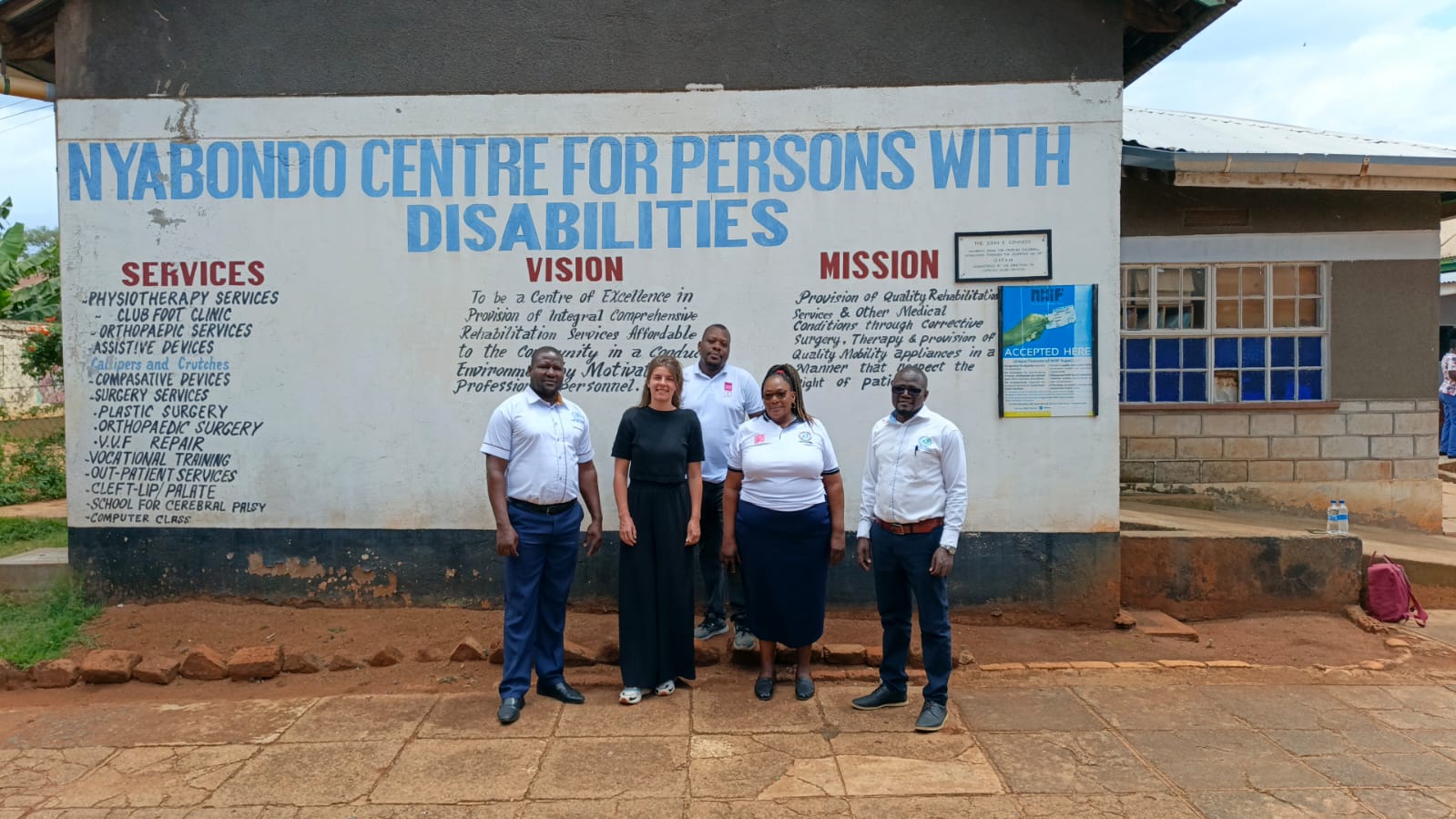
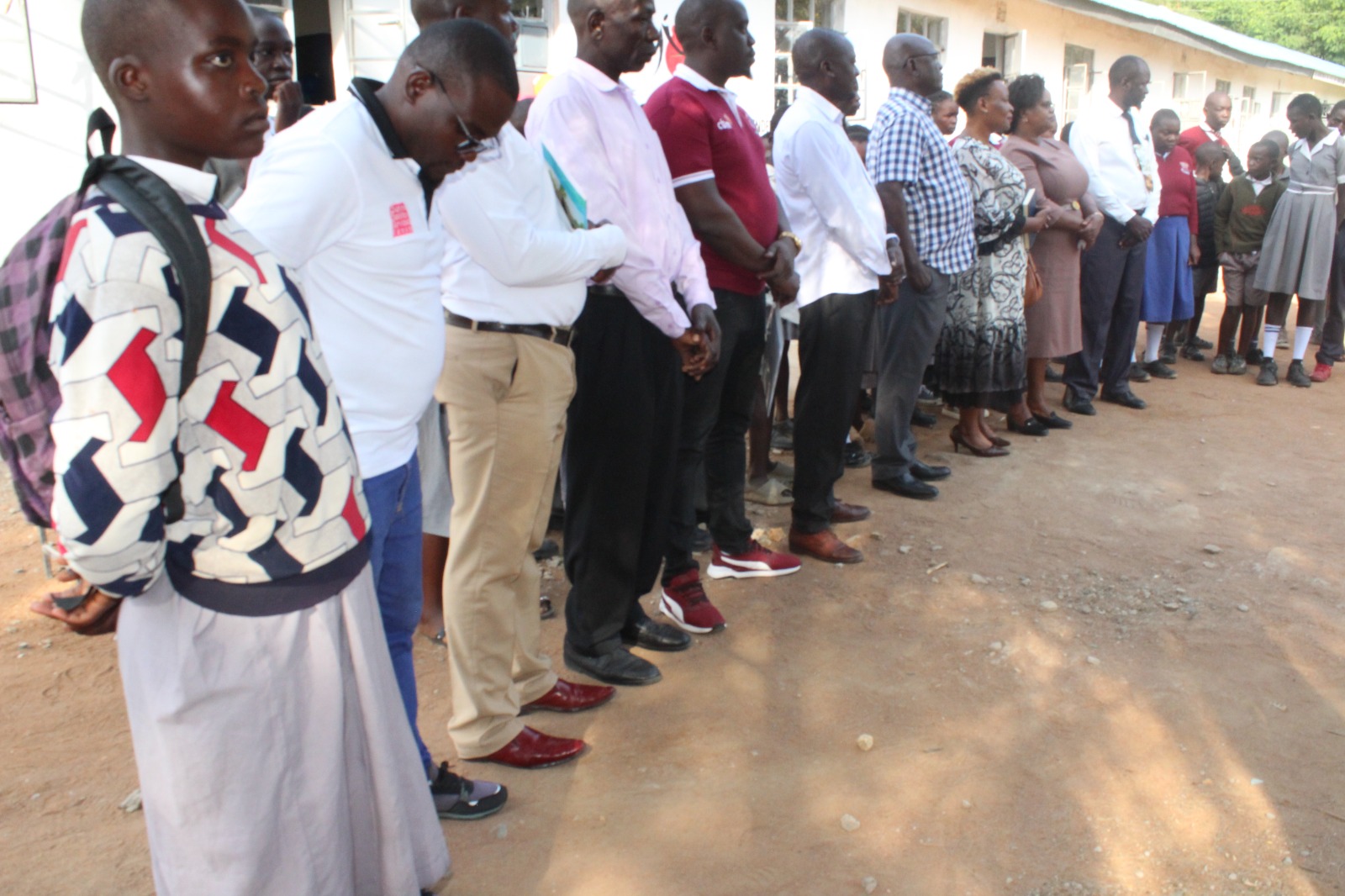
Supported by Cheshire Disability Services Kenya (CDSK)
BEN MAPP II is a multi‑annual programme implemented by Nyabondo Centre with the support of Cheshire Disability Services Kenya. The project adopts the Community Based Rehabilitation (CBR) framework, addressing the full spectrum of needs for persons with disabilities – from health and education to livelihoods, social inclusion, and empowerment.
The Five Domains of BEN MAPP II
Based on the internationally recognised Community Based Rehabilitation matrix, our project addresses every aspect of life for persons with disabilities.
Health & Rehabilitation
- Facilitate establishment of county disability coordination forums with clear TORs, engaging Health Departments, hospitals, POs, and OPDs.
- Training of senior and management health facility officers on disability mainstreaming with follow‑up support visits.
- Support forums to develop, validate, and operationalize standardized referral pathways, protocols, and communication tools.
- Identify and train Community Health Assistants (CHAs), Health Promotion Officers, Rehabilitation Officers, and Child Protection Volunteers on disability mainstreaming and referral pathways.
- Map sub‑counties and identify public health facilities for referral purposes in targeted counties.
- Train CHAs as ToTs to support Community Health Promoters (CHPs).
- CHAs identify and train sub‑county CHPs and Child Protection Volunteers on disability mainstreaming and referral pathways.
- Partner organizations identify focal CHPs and Child Protection Volunteers to work with the MAPP Programme Officer.
- CHPs engaged in routine coaching, mentorship, and supervision sessions with sub‑county facility‑based officers/CHAs.
- CHPs participate in and facilitate multidisciplinary outreach activities within the community.
- Support and facilitate access to assistive devices, treatment, medication, supplements, special diets, corrective surgeries, and post‑operative or therapy services (Occupational, Physio, Speech, Counseling).
- Initiate, track, and follow up on referrals using referral tools and regular communication with families.
Inclusive Education
- Facilitate and strengthen disability‑inclusive clubs in targeted schools – building capacity to promote awareness, peer support, and inclusive learning practices.
- Conduct Disability Inclusion and Equity Training (DIET) and Disability Inclusion Scorecard (DISC) sessions for learning institutions to enhance awareness, accountability, and inclusive practices.
- Facilitate assessment/accessibility audit and adaptation of learning facilities, teaching and learning resources in supported schools, TVETs, and institutions of higher learning (using the NCPWD assessment tool).
Inclusive Livelihood
- Map, identify, mobilize, and organize households with children or youth with disabilities in selected areas for economic strengthening (including formation of PSGs for VSLAs, IGAs, SLAs).
- Conduct household‑level livelihood skills training (e.g., tailoring, carpentry, agribusiness, soap making, etc.).
- Offer relevant livelihood/resilience‑focused capacity development support to caregivers (e.g., basic financial management skills, climate‑smart food security, agribusiness).
- Facilitate Business Development Services (BDS) and market access to supported caregivers (e.g., start‑up kits, seed fund, one‑off grants, and other market opportunities).
Social Inclusion
- Community awareness and sensitization on disability inclusion.
- Formation of disability support groups.
- Promotion of participation in community activities.
- Disability rights advocacy.
- Community dialogues and inclusion campaigns.
Empowerment
- Leadership training for Organisations of Persons with Disabilities (OPDs).
- Advocacy skills development.
- Inclusion in decision‑making processes at county and community levels.
- Capacity building for OPDs to represent their members effectively.
Holistic, Coordinated, Sustainable
County Coordination Forums
Establishing forums with clear TORs involving Health Departments, hospitals, POs, and OPDs to coordinate disability services.
Standardised Referral Pathways
Developing, validating, and operationalizing referral protocols and communication tools between community and facility levels.
Cascade Training Model
CHAs trained as ToTs who then train sub‑county CHPs and Child Protection Volunteers – ensuring sustainability.
Routine Coaching & Mentorship
CHPs receive ongoing supervision from sub‑county facility‑based officers and CHAs.
Inclusive Education Tools
Disability Inclusion Scorecard (DISC) and accessibility audits using NCPWD tools in schools and TVETs.
Multidisciplinary Outreach
CHPs participate in and facilitate outreach activities bringing services directly to communities.
Robust Referral Tracking & Follow‑up
One of the core strengths of BEN MAPP II is the systematic tracking of every referral. Using standardised referral tools, the programme initiates, tracks, and follows up on all cases – from community identification to facility‑based care – with regular communication with families to ensure no one falls through the cracks.
- Referral tools standardised across all facilities
- Regular communication between CHPs and families
- Follow‑up on assistive devices, surgeries, and therapy
- Feedback loops to community volunteers
Support Holistic Community Based Rehabilitation
Your donation helps us train CHPs, establish referral pathways, support inclusive education, and empower OPDs through BEN MAPP II.