Individualised Physiotherapy
Daily or weekly sessions focused on gross motor skills, gait training, muscle strengthening, and preventing contractures.
Structured, programme‑based therapy for children with cerebral palsy, complex neurological conditions, and severe disabilities – delivered over weeks and months to achieve measurable progress.
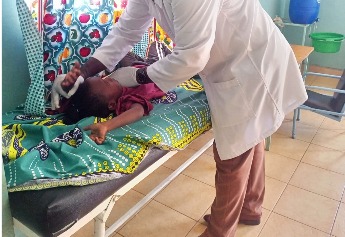
Some children require more than a few outpatient sessions. Those with cerebral palsy, spina bifida, severe brain injuries, or progressive neuromuscular conditions need consistent, long‑term, interdisciplinary care to maintain function, prevent contractures, and maximise independence.
Nyabondo’s long‑term rehabilitation programme provides residential or day‑care based therapy over extended periods, typically 6 to 12 months. Each child receives an individualised plan that includes physiotherapy, occupational therapy, speech therapy (where available), assistive devices, and family training.
Each child’s journey is coordinated by a team of specialists who track progress against clear milestones.
Daily or weekly sessions focused on gross motor skills, gait training, muscle strengthening, and preventing contractures.
Fine motor development, self‑care skills (feeding, dressing), and adaptive equipment to increase independence.
Custom seating, standing frames, walkers, and mobility aids fitted on‑site by our orthopaedic technologists.
Support for children with communication difficulties, including alternative and augmentative communication (AAC) where needed.
Parents and caregivers learn home therapy routines, positioning, and management of daily care – ensuring progress continues after discharge.
Regular assessments by the rehabilitation team, with adjustments to the care plan every 4–6 weeks. Discharge planning begins early.
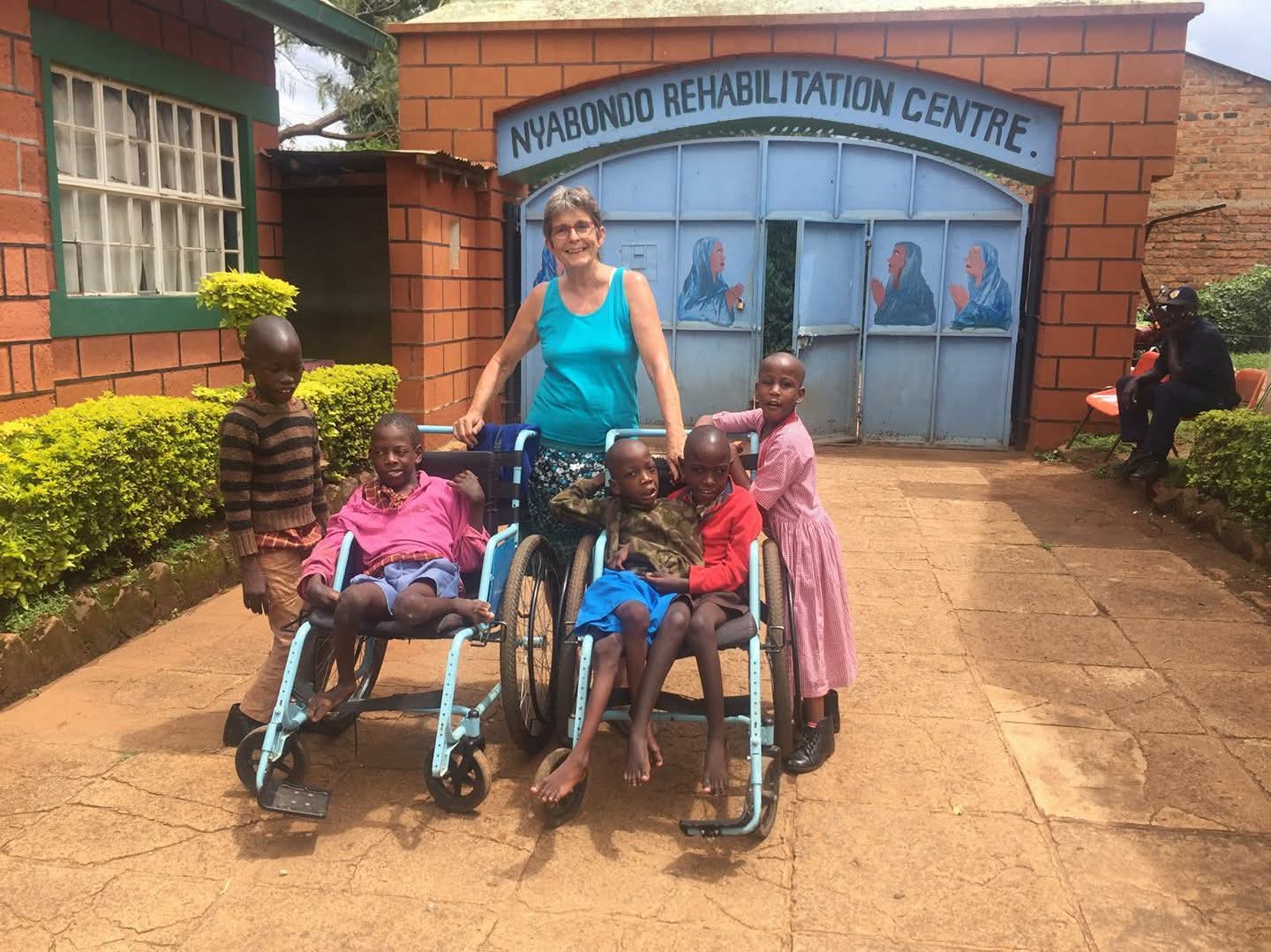
A large proportion of our long‑term rehabilitation caseload consists of children with cerebral palsy (CP). We use evidence‑based techniques, including neurodevelopmental therapy (NDT), positioning, serial casting for contractures, and parent‑led home programmes.
Referred by CBID outreach, county hospital, or directly by family. Multidisciplinary assessment determines suitability.
Team sets goals (e.g., head control, sitting, standing, feeding) and weekly therapy schedule.
Children from distant counties can stay at our centre with a caregiver. Day programme available for local families.
Progress reviewed every 6 weeks. Gradual transition to home‑based care with follow‑up visits.
“My daughter has cerebral palsy. Before coming to Nyabondo, she could not hold up her head. After eight months of therapy, she sits independently and uses a spoon. The therapists also taught me exercises to do at home. I never thought this was possible.”— Mary, mother of 6‑year‑old Esther
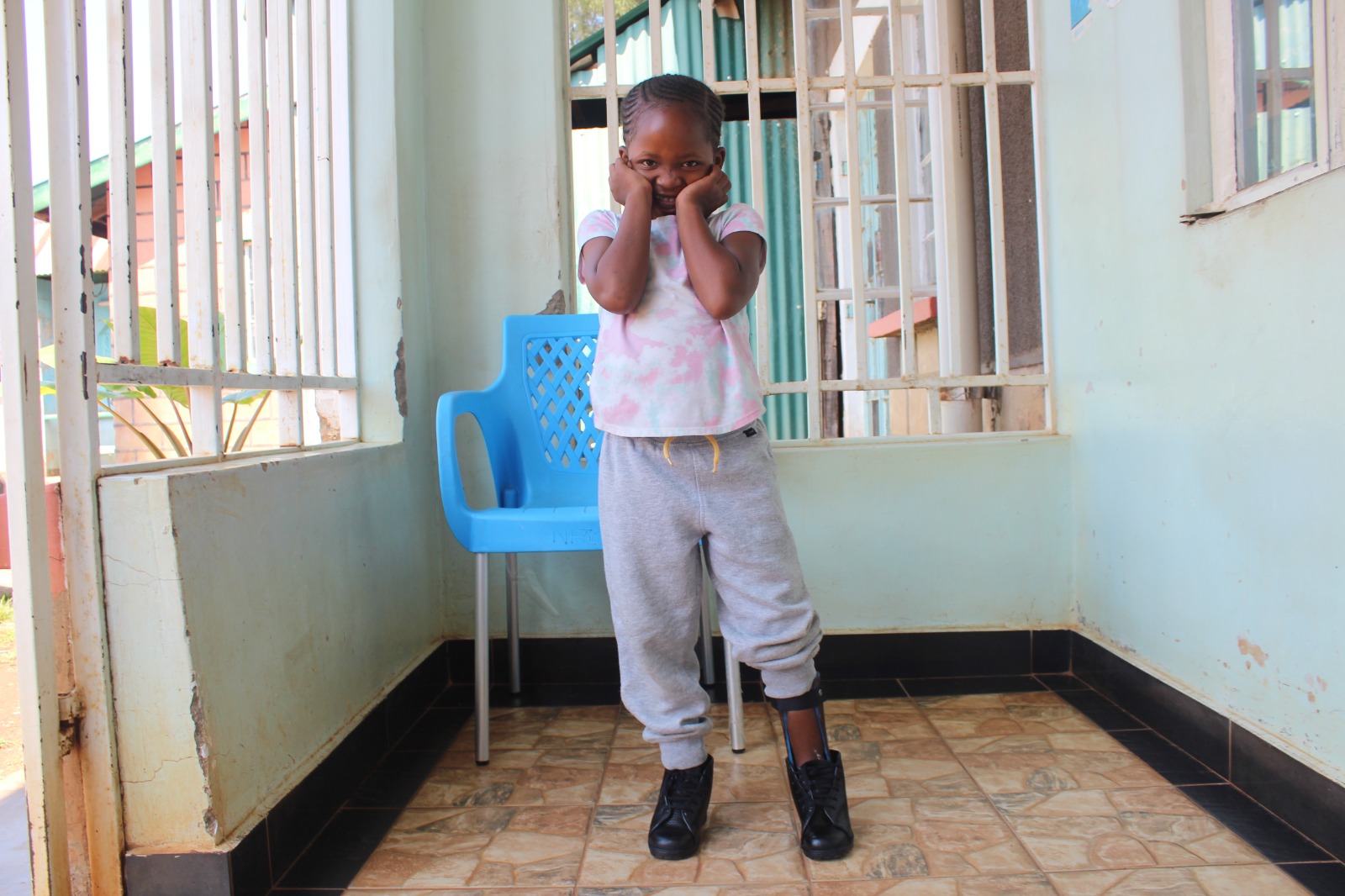
Your support can fund therapy sessions, assistive devices, or family training – giving a child with severe disabilities a chance at a better life.