Community Led, Inclusive Development

Community Based Inclusive Development

Bringing services closer to home – early identification, referral pathways, disability registration, and community empowerment for sustainable inclusion.

300+ Outreaches Conducted
15,000+ Children Screened
12 Counties Reached
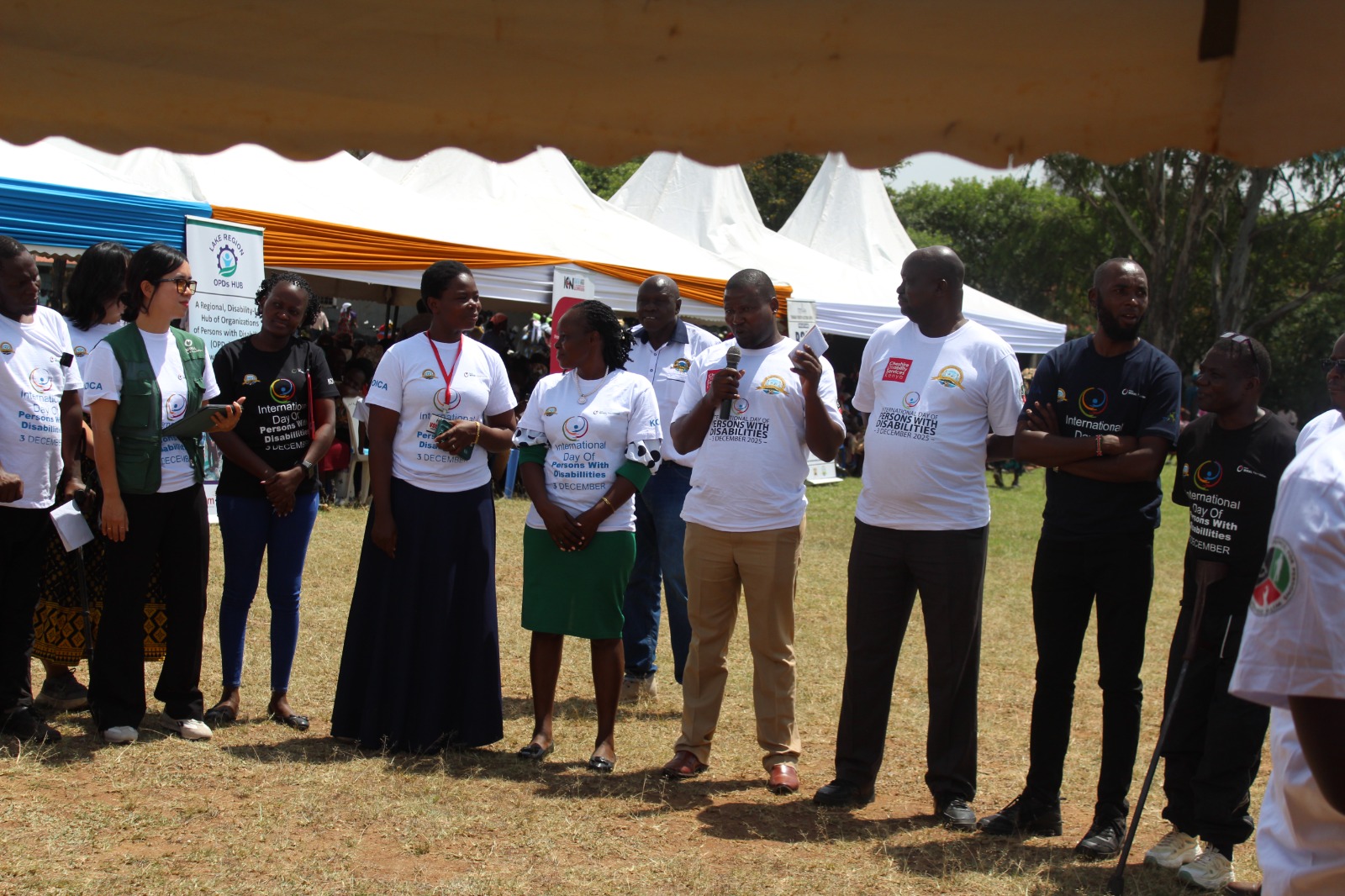
Nyabondo staff engaging community members during a CBID outreach in a rural village
Our Approach

What is CBID?

Community Based Inclusive Development (CBID) is a strategy that empowers local communities to identify, support, and include persons with disabilities. Rather than waiting for families to travel to distant facilities, Nyabondo takes services directly to villages, working hand‑in‑hand with Community Health Promoters (CHPs), local leaders, and disability support groups.

Through CBID, we ensure that children and adults with disabilities are identified early, connected to medical and rehabilitation services, registered with the National Council for Persons with Disabilities (NCPWD), and supported to participate fully in community life.

Early identification Community ownership Referral coordination Rights‑based approach
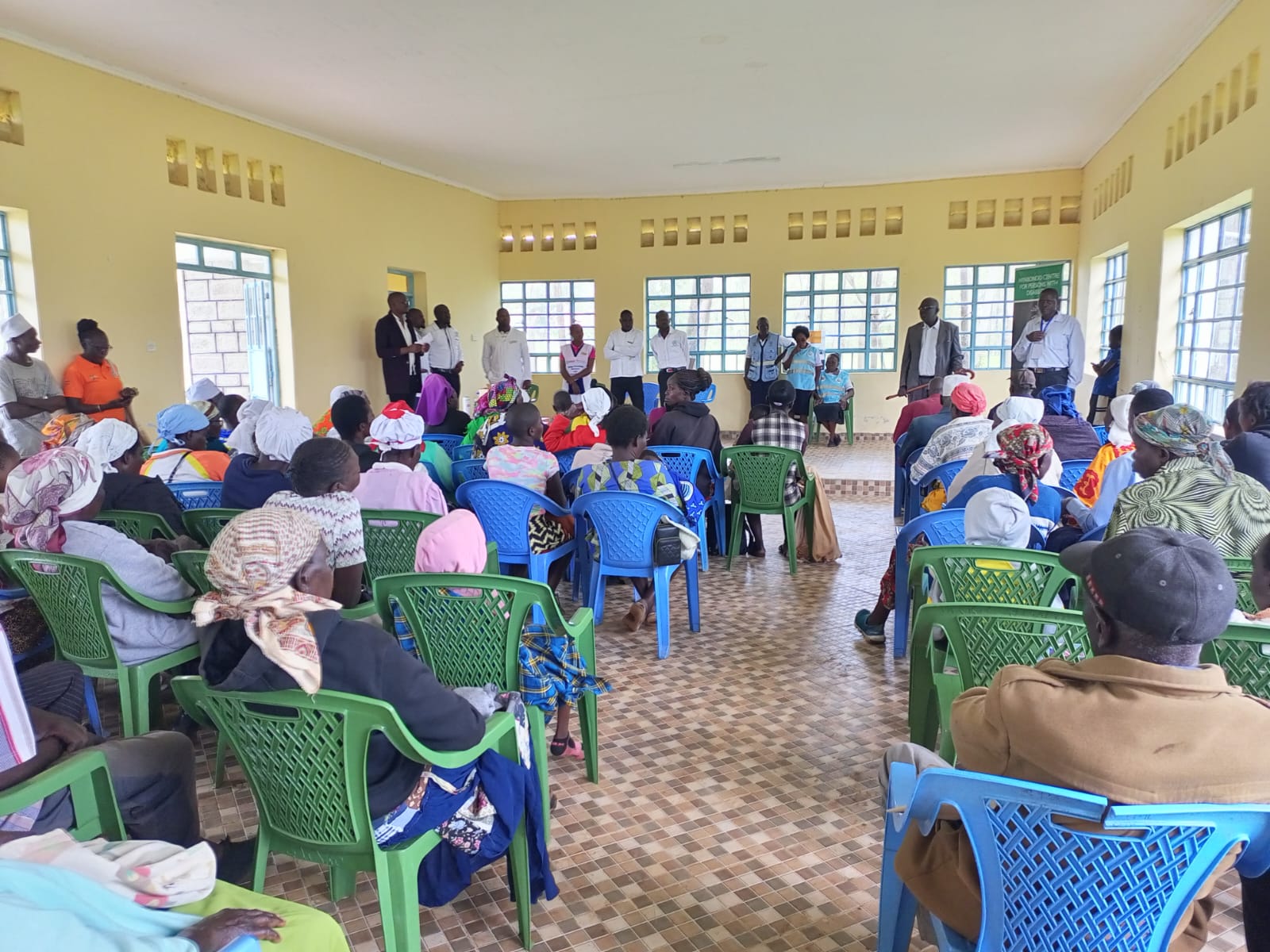
Nyabondo staff and community health volunteers planning a CBID activity
Core Components

How CBID Works in Practice

From the moment a disability is suspected to full community inclusion, our CBID activities create a seamless pathway of care and support.

Early Identification & Intervention

Trained Community Health Promoters and outreach teams screen children for developmental delays, hearing/vision impairments, and physical disabilities. Early action prevents secondary complications and improves outcomes.

Referral for Specialised Services

Linkages to corrective surgeries, physiotherapy, occupational therapy, and specialist consultations at Nyabondo Centre or other facilities. We track every referral to ensure no child is left behind.

Disability Assessment & Registration

In collaboration with County governments and NCPWD, we conduct disability assessments and support registration to access government benefits, including the Cash Transfer Programme for Persons with Severe Disabilities.

Educational Assessment & EARC Referrals

Identification of children with learning disabilities, referrals to Educational Assessment and Resource Centres (EARC) for placement in appropriate schools, and follow‑up on inclusive education rights.

Community Awareness & Sensitisation

Door‑to‑door campaigns, barazas, and radio shows to break stigma, inform families about disability rights, and promote inclusion in schools, workplaces, and places of worship.

Training of Community Health Promoters

Equipping CHPs with skills in disability screening, basic rehabilitation, referral pathways, and data collection – turning every health volunteer into an agent of inclusion.

Seamless Coordination

Strong Referral Pathways: From Community to Care

One of the biggest gaps CBID addresses is the weak link between community detection and facility‑based care. Nyabondo has established clear, standardised referral protocols.

1

Community Detection

CHPs identify children/adults with suspected disabilities during home visits or outreaches.

2

Initial Assessment

CBID officer or facility‑based CHA conducts basic screening and disability assessment.

3

Referral & Tracking

Case referred to Nyabondo or county hospital using standard referral tool. Follow‑up ensures appointment is kept.

4

Service Delivery

Surgery, therapy, assistive devices, or registration – delivered and feedback sent back to CHP.

This system is being strengthened through the SHINE Project (2026–2029) and BEN MAPP II, with support from CBM and Cheshire Disability Services Kenya. Learn more about SHINE →
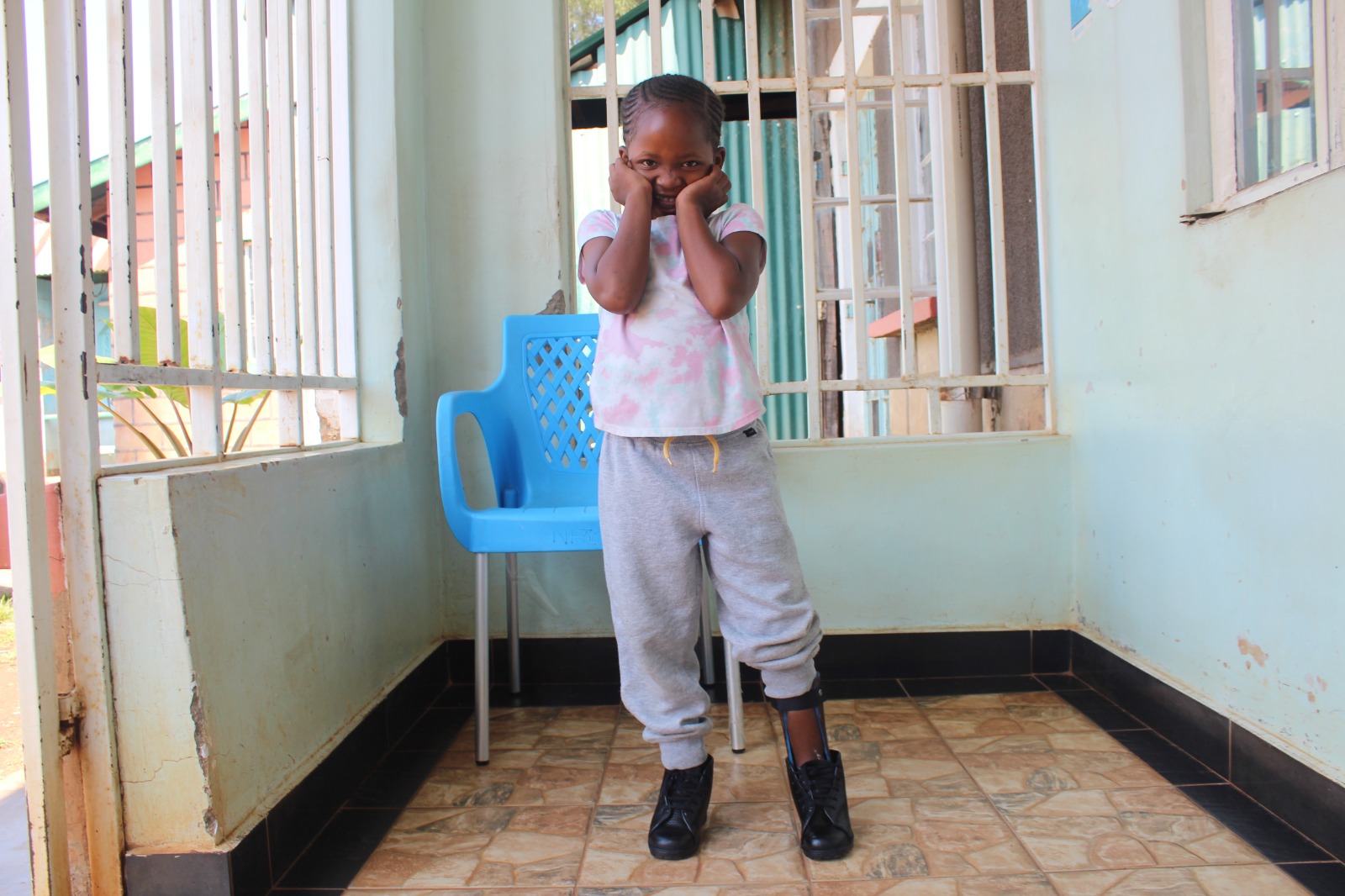
A young girl smiling after corrective surgery – identified early through CBID
Real Impact

Joyline’s Journey: Early Identification Changed Everything

“A CHP visited our village and noticed Joyline dragging her leg. She explained that surgery could help. We had never taken her to hospital because we didn't know. Now she walks to school and even plays with other children. The stigma is gone.”
— Mother of Joyline, aged 8
6 months from identification to surgery
100% school attendance now
Holistic Support

CBID Connects to Everything We Do

Early identification opens doors to a full continuum of services.

Livelihood & Economic Empowerment

Once a child is stable post‑surgery, caregivers are linked to entrepreneurship and VSLA groups.

Learn more →

Social Inclusion & Protection

Registration with NCPWD opens access to cash transfers, health insurance, and support groups.

Learn more →

Long‑term Rehabilitation

Children with complex conditions like cerebral palsy are enrolled in structured therapy programmes.

Learn more →

Support Community Based Inclusive Development

Your donation helps us reach more remote villages, train more CHPs, and ensure no child is left behind.